
Litter Size Calculator: Get a Realistic Estimate of How Many Puppies to Expect
What Is a Litter Size Calculator?
A litter size calculator estimates the number of puppies your dog is likely to deliver based on her breed, age, weight, and litter history. It doesn’t replace a veterinary ultrasound or X-ray — those remain the only ways to know the actual puppy count with certainty — but it gives you a well-grounded expectation to plan around before those confirmations are available, or when you want a quick reference point without a vet visit.

The estimate is most useful when combined with proper prenatal care. Once you have a rough litter size in mind, you can use our Pregnant Dog Calorie Calculator to dial in her nutritional needs — because a mother carrying eight puppies needs significantly more calories than one carrying three, and feeding them the same amount is a mistake that affects both her health and puppy development.
What Actually Determines Litter Size?
Litter size isn’t random — it’s influenced by several well-understood factors. Knowing these helps you interpret the calculator’s estimate and understand why it might differ from what you were expecting.
Breed
Breed is the single strongest predictor of litter size. Large breeds consistently produce larger litters than small ones — a Labrador Retriever averages 7–8 puppies per litter, while a Chihuahua averages 2–3. This is closely tied to body size: larger bodies have more uterine space and can sustain more fetuses. Within a breed, there is still individual variation, but the breed average gives you the best starting reference point.
Age of the Female
A female dog’s reproductive peak is typically between two and five years of age. First litters — especially from young females in their first or second heat — tend to be smaller than subsequent ones. Litter size often increases with the second and third litter before declining again in older females. Dogs over seven years of age generally have smaller litters, and breeding older females carries increased health risks for both mother and puppies — something to discuss carefully with your vet before proceeding.
Litter History
Previous litter sizes are one of the most reliable predictors of future ones. If a female consistently produces litters of five to seven puppies, her next litter is likely to be in a similar range — assuming her age and health haven’t changed significantly. First-time mothers without a history are harder to predict, which is why breed averages become more important for them.
Weight and Body Condition
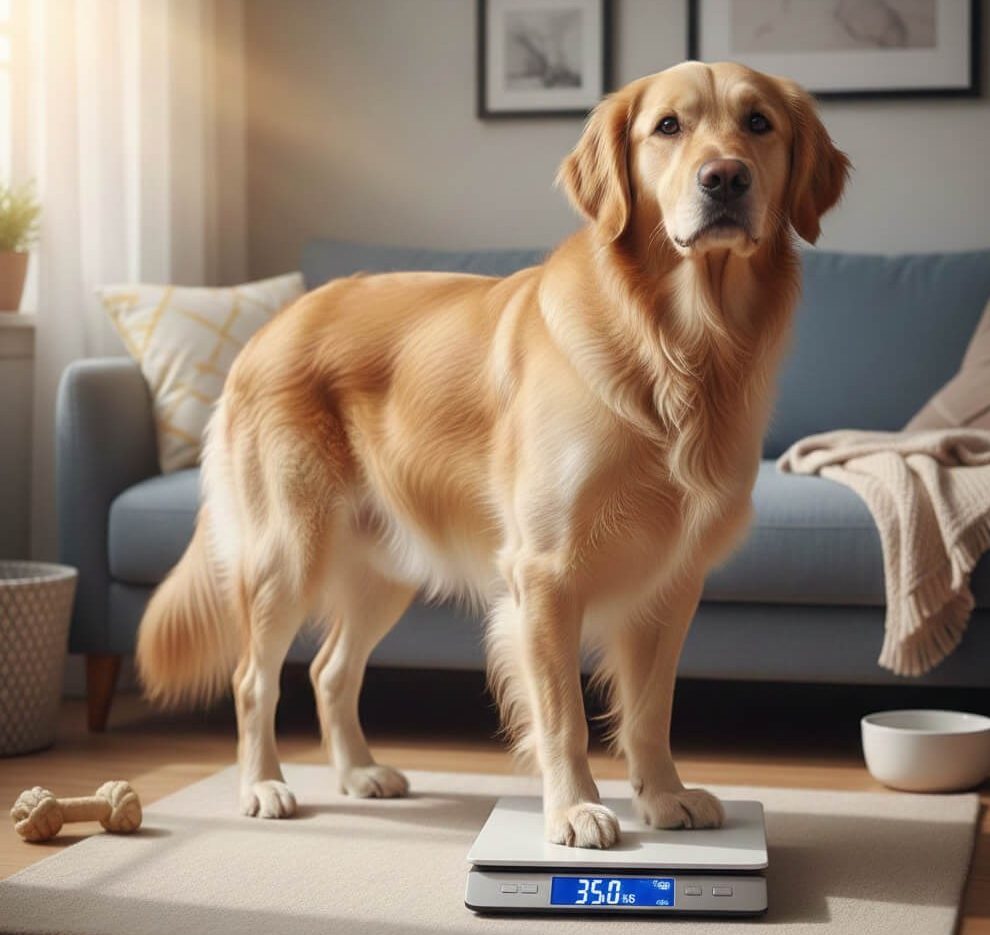
The mother’s weight and overall health at the time of mating influence litter size. Underweight females tend to have smaller litters, as the body compensates for nutritional deficiency by limiting the number of embryos it can sustain. Significantly overweight females also tend to have smaller litters and face higher whelping risks. A female in lean, healthy condition at the time of mating is the ideal starting point.
Timing of Mating
Mating at the peak of the fertile window — rather than early or late in estrus — consistently produces larger litters. This is because the eggs are at their most viable during the peak fertility days, and more successful fertilizations mean more puppies. Correctly timed matings using our Ovulation Timing Calculator often result in noticeably larger litters than matings based on behavioral cues alone.
The Stud Dog
The male’s fertility also plays a role. A stud with a high sperm count and good motility will fertilize more eggs than one with suboptimal semen quality. If you’re consistently getting smaller litters than expected, a semen analysis of the stud is worth considering. Older studs may also show declining fertility, even if they’re still willing to mate.
How to Use the Litter Size Calculator
- Using this calculator is straightforward. Start by selecting your dog’s breed from the dropdown — this is the most important factor since breed determines the baseline litter size range.
- Next, enter the mother’s weight in kilograms, her age in years, and the size of her previous litter if she has had one before (enter 0 if this is her first litter).
- Once all fields are filled in, click the Estimate button and the calculator will immediately show you an estimated litter size range based on your dog’s individual profile.
Keep in mind that the result is an informed estimate, not a guarantee. The calculator adjusts the breed average up or down based on her age, weight, and litter history — so a young first-time mother of a large breed will get a more conservative estimate than a healthy three-year-old of the same breed with a previous litter of seven. For the most accurate puppy count, follow up with an X-ray at day 45 or later in the pregnancy — that remains the only way to know the exact number before whelping.
How to Get the Most Accurate Puppy Count
The litter size calculator gives you a useful estimate — but if you need an accurate count, there are two veterinary methods that provide it:
Ultrasound (Day 25–35):
An ultrasound performed between days 25 and 35 of pregnancy can confirm the pregnancy and give a rough puppy count. However, ultrasound counts at this stage are often imprecise — puppies can be obscured by each other or by the angle of the scan, and the count can easily be off by one or two in either direction. It’s excellent for confirming that the pregnancy is healthy and progressing normally, less reliable for an exact headcount.
X-Ray (Day 45+):
An X-ray performed after day 45 — ideally between days 50 and 55 — gives the most accurate puppy count available. By this stage, the puppies’ skeletons are fully calcified and clearly visible on the film. Knowing exactly how many puppies to expect is one of the most important pieces of information you can have going into whelping: it tells you definitively when the litter is complete, preventing you from stopping the vigil while puppies are still undelivered.
Why Knowing Litter Size Matters Before Whelping
The number of puppies in a litter affects almost every aspect of whelping preparation — and the more you know in advance, the better prepared you’ll be.
Whelping space:
A mother delivering eight puppies needs a significantly larger whelping box than one delivering three. Puppies need space to nurse without being crushed by the mother, especially in the first week when they can’t regulate their own temperature or move away from danger. Size the whelping area for the litter, not just the mother.
Nutrition:
The caloric demands of lactation increase proportionally with litter size. A mother nursing six to eight puppies may need two to three times her normal daily food intake at peak lactation. Getting this right from the start prevents weight loss in the mother and ensures she produces enough milk for the whole litter. Our Pregnant Dog Calorie Calculator accounts for litter size when calculating her daily needs.

Monitoring during whelping:
Knowing the expected puppy count is critical during active labor. If the X-ray showed seven puppies and only six have been delivered, you know there is still one puppy inside — which may require veterinary intervention. Without that count, it’s easy to assume the litter is complete when it isn’t, which can be fatal for the remaining puppy.
Finding homes:
For breeders, having a litter size estimate early allows you to start finding suitable homes well before the puppies arrive. Scrambling to place eight puppies in the week after whelping is stressful and leads to poor placement decisions. Starting that process at week five or six, once you have an X-ray count, gives you weeks to find the right homes thoughtfully.
How to Use the Litter Size Calculator
- Using this calculator is straightforward. Start by selecting your dog’s breed from the dropdown — this is the most important factor since breed determines the baseline litter size range.
- Next, enter the mother’s weight in kilograms, her age in years, and the size of her previous litter if she has had one before (enter 0 if this is her first litter). Once all fields are filled in, click the Estimate button and the calculator will immediately show you an estimated litter size range based on your dog’s individual profile.
Keep in mind that the result is an informed estimate, not a guarantee. The calculator adjusts the breed average up or down based on her age, weight, and litter history — so a young first-time mother of a large breed will get a more conservative estimate than a healthy three-year-old of the same breed with a previous litter of seven. For the most accurate puppy count, follow up with an X-ray at day 45 or later in the pregnancy — that remains the only way to know the exact number before whelping.
After the Litter Arrives — What Comes Next
Once the puppies are born, the focus shifts from prediction to management. Our Puppy Weight Gain Calculator helps you track each puppy’s growth from birth — identifying any that are failing to gain weight at the expected rate before the problem becomes critical. In the first two weeks, when puppies can’t regulate their own temperature and depend entirely on the mother for nutrition, daily weight checks are one of the most important things you can do.
As the puppies grow, the Weaning Timeline Calculator will guide you through the transition from mother’s milk to solid food — a process that needs to happen gradually and at the right time to support healthy puppy development and give the mother’s body a chance to recover.
Frequently Asked Questions (FAQ)
Is this calculator 100% accurate?
No — and no litter size estimate short of an X-ray is. This calculator gives you a well-informed estimate based on breed averages, age, weight, and litter history. It’s useful for planning purposes and as a realistic expectation-setter, but the actual puppy count will only be confirmed by an ultrasound or X-ray. Use the estimate to plan, and a vet confirmation to execute.
My breed is known for large litters but the calculator is showing a lower estimate — why?
The calculator factors in more than just breed. If your dog is young (first litter), older (declining fertility), underweight, or has a history of smaller litters, those factors will pull the estimate below the breed average. The breed average is a ceiling, not a guarantee — individual variation is real and significant.
Can litter size be increased?
To a limited extent. Ensuring the female is in excellent health and body condition at the time of mating, timing the mating correctly to coincide with peak fertility, and using a stud with confirmed good semen quality all support larger litters. Progesterone testing to confirm the optimal mating day is the single most impactful step most breeders can take to maximize litter size. Beyond that, genetics largely determines the ceiling.
My dog had a much smaller litter than expected — is something wrong?
Not necessarily. Smaller-than-expected litters happen for many reasons — some embryos may not have implanted, or some may have been reabsorbed early in pregnancy, which is common and usually goes unnoticed. If the puppies that were born are healthy and the mother is well, a small litter is usually just natural variation. If you’re concerned, a post-whelping vet check is always a good idea.
Does the male dog’s breed affect litter size in a cross-breed litter?
The male contributes half the genetic material, and his size and genetic background do influence the outcome. However, the female’s uterine capacity is the limiting factor — she can only sustain as many puppies as her body can support. In cross-breed pairings, the female’s breed and size remain the dominant predictor of litter size, though the male’s size can influence individual puppy size within the litter.
How soon after whelping can my dog be bred again?
Most responsible breeders and breed organizations recommend waiting at least one full heat cycle — ideally 12–18 months — between litters. Back-to-back breeding is hard on the female’s body, particularly after a large litter, and can affect the quality and health of subsequent litters. Your vet’s guidance on recovery time is worth following, particularly if the previous whelping was difficult.
Explore More Dog Breeding and Pregnancy Tools
The Litter Size Calculator is part of a complete suite of free tools at Dog Pregnancy Calculator — covering everything from breeding compatibility and ovulation timing to pregnancy tracking and newborn puppy care. Browse all calculators by category to find exactly the tool you need.
| Factor | Your Dog | Impact on Litter Size |
|---|