Stop Guessing When Your Dog Is in Heat — Track Her Cycle With Confidence
Most dog owners know roughly when their female dog comes into heat — but ‘roughly’ isn’t good enough when you’re planning a litter, trying to avoid an accidental pregnancy, or trying to understand why she’s behaving differently. A heat cycle tracker turns vague observations into accurate records. Over time, those records reveal the pattern of your individual dog’s cycle — and that pattern is one of the most useful pieces of information you can have as a breeder or responsible dog owner.
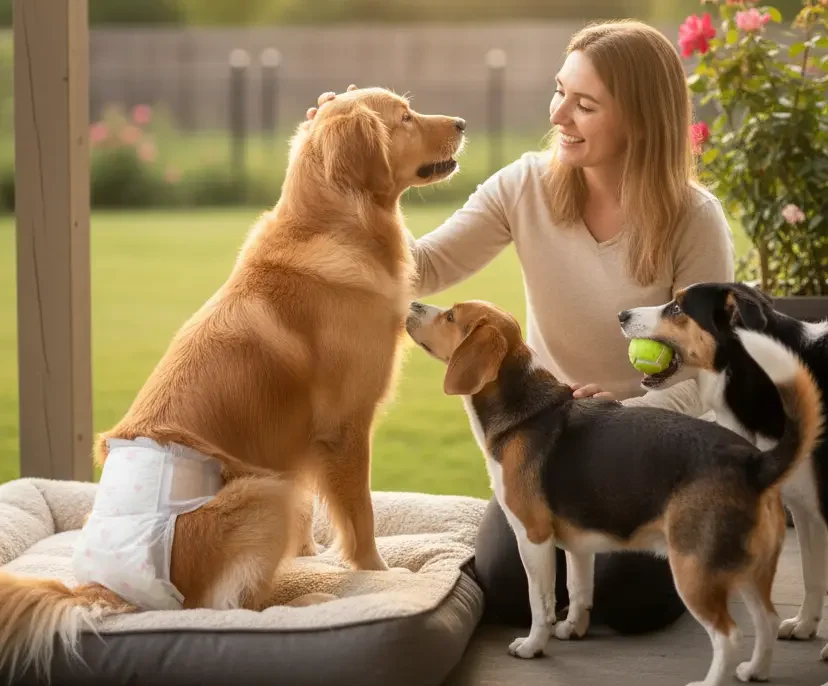
What Is a Heat Cycle Tracker?
A heat cycle tracker is a record-keeping tool for your female dog’s reproductive cycle. You enter the start date of each heat, note any physical symptoms you observe, and the tracker does the rest — calculating the approximate phase she’s in, estimating the fertile window, and predicting when her next heat is likely to begin.
But the real value isn’t in any single cycle. It’s in the pattern that emerges across multiple cycles over time. Every female dog has her own individual cycle rhythm — some come into heat every five months, others every eight. Some have short proestrus phases, others extended ones. You can’t know your dog’s individual pattern from one or two cycles. You need a record, and this tracker helps you build one.
Once you understand her cycle pattern well, this tracker works hand in hand with the Ovulation Timing Calculator — which takes the cycle start date and estimates the precise fertile window within that heat. Together, they give you everything you need to time a mating correctly or, if you’re not planning a litter, to know exactly when to be vigilant about keeping her away from intact males.
Understanding the Four Phases of a Dog's Heat Cycle
A dog’s reproductive cycle — technically called the estrous cycle — has four distinct phases. Understanding what each phase looks like helps you track it accurately and recognize when something is outside the normal pattern.
Proestrus — The Beginning of Heat (roughly 7–10 days)
Proestrus is the opening phase of heat. The most obvious sign is vulvar swelling, often accompanied by a bloody discharge that can range from bright red to a darker brownish color. Male dogs will become intensely interested in your female during this phase, but she will typically reject their advances — she is not yet fertile. Some females are more discreet than others during proestrus; if your dog tends to clean herself thoroughly, you may not notice much discharge at all. Keep an eye on behavioral changes: she may become more restless, clingy, or slightly off her food.
Estrus — The Fertile Window (roughly 5–9 days)
Estrus is the only phase during which your dog can conceive. The discharge typically lightens in color — shifting from red to a straw-colored or pinkish hue — and she will become receptive to mating, often flagging her tail to the side when a male approaches. Ovulation occurs during early estrus, but the eggs need a further 48–72 hours to mature before fertilization is possible. The peak fertile window — the days when mating is most likely to result in conception — is usually around days 11–15 of the overall heat cycle, but this varies between individuals. This is the phase where the Ovulation Timing Calculator becomes most valuable, helping you narrow down exactly which days within estrus offer the highest conception probability.
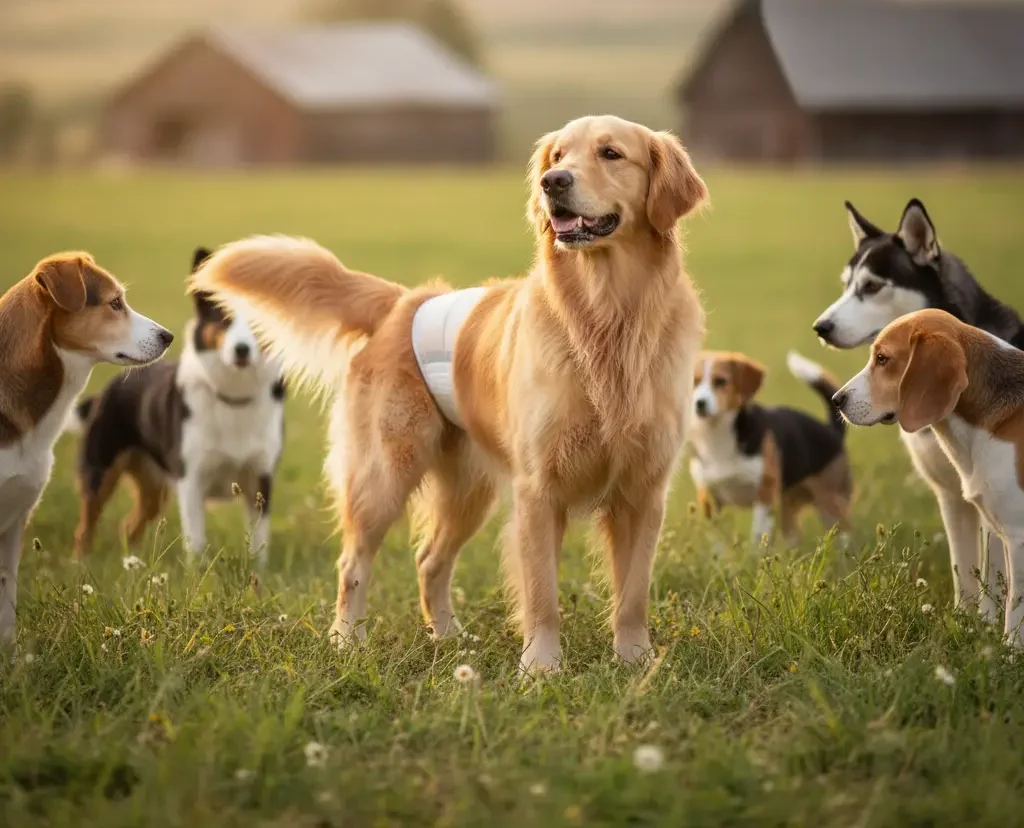
Diestrus — Post-Fertile Phase (roughly 60–90 days)
Once estrus ends, the body enters diestrus regardless of whether mating occurred. Progesterone levels remain elevated throughout this phase. If conception took place, the pregnancy develops during diestrus. If not, some dogs experience a false pregnancy — displaying nesting behavior, enlarged mammary glands, and occasionally even producing milk despite never having been mated. False pregnancies are common and usually resolve on their own, but persistent or severe cases are worth mentioning to your vet.
Anestrus — The Resting Phase (roughly 4–5 months)
Anestrus is the reproductive resting phase between heat cycles. No hormonal activity related to reproduction is occurring. Your dog looks and behaves normally. This phase is longer than most owners realize — it accounts for the majority of the time between heats. Most dogs cycle twice a year, but this varies: some breeds, particularly larger ones, cycle only once annually. Understanding how long your individual dog’s anestrus lasts is part of what the tracker helps you establish over time.
How to Use the Heat Cycle Tracker
Using the tracker is straightforward. When your dog comes into heat, enter the start date — the first day you notice vulvar swelling or discharge. The tracker will immediately calculate the approximate current phase, estimate the fertile window, and predict when her next heat is likely to begin based on the average cycle length.
For best results, also note:
- The end date of the heat (the day discharge stops and swelling subsides)
- Any physical symptoms you observe — discharge color changes, vulvar swelling intensity, behavioral shifts
- Whether she was receptive to males, and on which days
- Any irregularities — unusually short or long phases, discharge that looked unusual, signs of discomfort
The more detail you record, the more useful the tracker becomes. After three or four cycles, you’ll have a reliable picture of your dog’s individual pattern — cycle length, phase durations, and typical symptoms — that makes every subsequent cycle easier to manage and every breeding decision better informed.
Why Tracking Multiple Cycles Matters
One heat cycle tells you very little. Two or three cycles begin to reveal a pattern. Four or more give you a reliable baseline.
This matters because female dogs are far more individual in their cycle timing than most people assume. The textbook says cycles are 6 months apart — but your dog might cycle every 5 months, or every 7.5 months. The fertile window is said to peak around day 13 — but your dog might consistently peak at day 11, or day 16. You cannot know this from a single cycle or from general averages. You can only know it from your own dog’s recorded history.

This individual data becomes especially important when you’re working with our Breeding Compatibility Calculator — because a pairing that looks compatible on paper still needs to be timed correctly relative to her specific cycle. And it matters for planning future litters — knowing exactly when to expect her next heat lets you arrange the stud, plan your schedule, and prepare well in advance rather than scrambling when heat begins unexpectedly.
Recognizing Irregular Cycles — When to Talk to Your Vet
Most female dogs develop a consistent, predictable cycle by their third or fourth heat. Irregularities before that — particularly in young dogs — are usually nothing to worry about. But persistent irregularities in a mature dog can indicate something worth investigating.
Signs worth mentioning to your vet:
- Heats that are significantly shorter or longer than previous cycles without explanation
- Cycles that seem to occur more frequently than every four months or less frequently than once a year
- Split heats — where the cycle appears to start, stop, and restart within a short period
- Silent heats — where the dog ovulates with very minimal outward signs (more common in some breeds)
- Prolonged bloody discharge lasting more than three weeks
- Signs of illness during or after a heat cycle — lethargy, excessive thirst, loss of appetite
Pyometra — a serious uterine infection — can develop in the weeks following a heat cycle, particularly in older females who have never been bred. It’s life-threatening if untreated. Symptoms include excessive thirst and urination, lethargy, loss of appetite, and sometimes a discharge from the vulva. Any of these signs in the month following a heat cycle warrant an urgent vet visit.
Heat Cycle Tracking for Non-Breeders
You don’t have to be planning a litter to benefit from tracking your dog’s heat cycle. For owners of intact females with no breeding plans, knowing exactly where she is in her cycle helps you:
- Know when to keep her away from intact males — particularly important in the estrus phase when she is actively seeking to mate
- Understand behavioral changes — restlessness, clinginess, or changes in appetite during heat are normal, but knowing they’re cycle-related removes the worry
- Plan around it — avoiding dog parks, boarding, and group training classes during the fertile phase is easier when you know it’s coming
- Recognize false pregnancies — knowing when diestrus begins helps you identify false pregnancy symptoms if they appear, rather than being alarmed by unexpected behavioral changes
If you eventually decide to spay your dog, having a complete heat cycle record is also useful information for your vet — particularly if there have been any irregularities worth noting.
Frequently Asked Questions (FAQ)
How often does a female dog come into heat?
Most dogs cycle approximately twice a year, with individual cycles ranging from every 5 months to every 8 months depending on the breed and the individual dog. Larger breeds tend to cycle less frequently — sometimes only once a year. Small breeds may cycle more often. Your dog’s pattern will become clear after you’ve tracked two or three complete cycles.
My dog is 8 months old and hasn’t had her first heat yet — is that normal?
Yes, completely normal. The first heat typically occurs between 6 and 24 months of age, with larger breeds often not cycling until 12–18 months or later. If your dog is over 24 months and has never had a heat, it’s worth mentioning to your vet — but for most dogs under 18 months, patience is all that’s needed.
Can I use this tracker to prevent accidental pregnancy?
The tracker helps you know when your dog is likely to be fertile so you can take appropriate precautions. For confirmed fertility prediction within a given heat cycle, combine tracker data with the Ovulation Timing Calculator. That said, if preventing pregnancy is a long-term priority, spaying is the only fully reliable option. Tracking is a useful management tool, not a contraceptive strategy.
How long does a heat cycle last in total?
The active heat period — proestrus plus estrus — typically lasts 2–4 weeks in total. Proestrus averages around 9 days, and estrus averages around 7 days, though both phases vary considerably between individuals. The full reproductive cycle including diestrus and anestrus spans several months between each active heat period.
My dog had a silent heat — how do I track that?
Silent heats, where ovulation occurs with minimal outward signs, are more common in certain breeds and in young dogs in their first few cycles. If you suspect your dog had a silent heat based on behavioral changes or male dog interest without obvious physical signs, record it as best you can and note that it appeared to be a silent heat. Progesterone testing from your vet can confirm ovulation even when external signs are absent.
Does tracking heat cycles work for planning the first litter?
Absolutely — in fact, it’s especially valuable for first litters. Knowing your female’s cycle history before breeding ensures you’re prepared for when heat arrives, understand her individual timing, and can coordinate with the stud owner well in advance. Combine the tracker with the Breeding Compatibility Calculator to evaluate the pairing before the heat even begins, so every decision is made calmly and in advance rather than under time pressure.
Explore More Dog Breeding and Pregnancy Tools
The Heat Cycle Tracker is part of a complete set of free tools at Dog Pregnancy Calculator — covering every stage of canine reproduction from heat cycle monitoring and breeding planning all the way through pregnancy and puppy care. Browse all calculators by category to find the right tool for wherever you are in the journey.
| Phase | Duration | Start Date | End Date |
|---|